Summary
- An Opinium poll for Uswitch found 24% of UK adults would find a £4-a-month broadband price rise unmanageable.
- People said they would accept an average increase of £2.70 a month before they would consider cancelling or switching.
- Respondents reported an average monthly broadband bill of £35.90, making a £4 uplift a meaningful jump for many homes.
- Uswitch estimates 1,057,676 customers are on broadband plans due to rise by £4 in March or April.
- Fixed cash rises have become more common since rules changed for new contracts, replacing inflation-linked increases.
New polling for Uswitch indicates a £4 monthly increase would be a step too far for a significant number of UK broadband users. According to the results, 24% said a £4 monthly broadband rise would be beyond what they can afford.
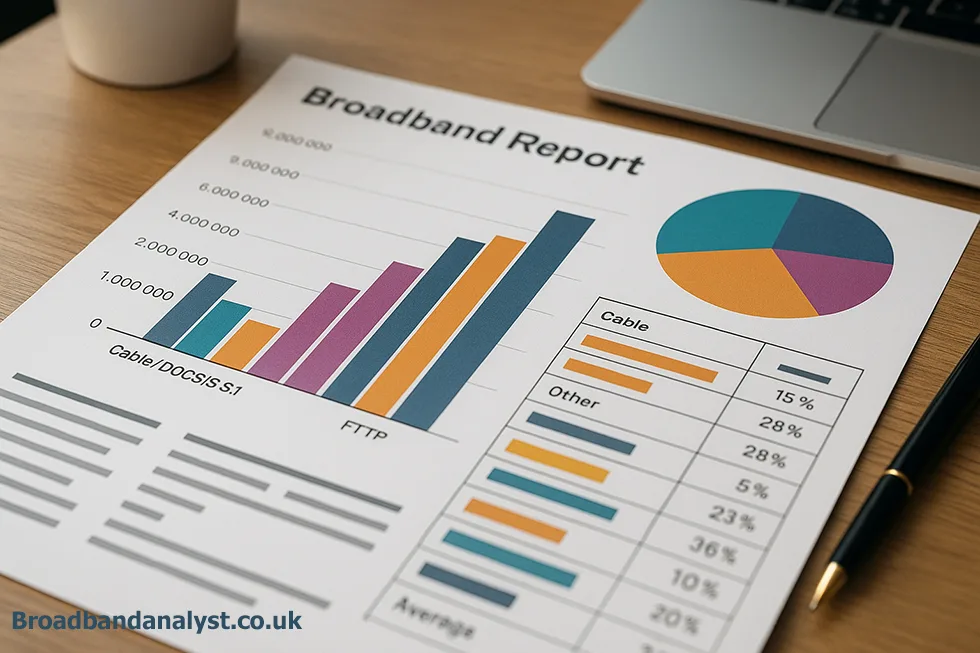
The same research asked how much of a monthly increase people would tolerate before they would consider cancelling or switching. The average answer came out at £2.70 a month, which helps explain why a £4 uplift feels like a tipping point rather than a mild adjustment.
About the survey
Uswitch commissioned Opinium to run the research. Opinium polled 2,000 UK adults between 23 and 29 December 2025. The results were weighted to be nationally representative.
Uswitch also published a separate estimate of how many customers sit on broadband contracts that come with a fixed £4 annual uplift, drawing on survey questions put to 20,000 mobile and broadband decision-makers.
What £4 means on a typical bill
Respondents reported an average monthly broadband bill of £35.90. On that basis, a £4 rise increases the monthly cost by 11% in a single step. For households already trimming discretionary spending, a jump of that size can feel closer to a price reset than a routine annual change.
Uswitch also points to the wider inflation backdrop. CPI inflation stood at 3.2% to November 2025, which makes a fixed £4 rise look steep when measured against the wider cost of living.
The customers most likely to be hit
Uswitch’s estimate suggests 1,057,676 customers are on broadband plans set to increase by £4 in March or April. It links that figure to customers on certain plans from large providers including BT, EE, Plusnet and Virgin Media.
It is worth stressing that not every customer with those providers pays the same increase. The exact uplift usually depends on when you signed up or renewed, and whether your terms use an older inflation-linked clause or a newer fixed cash rise. If you are unsure, your contract summary and the provider’s annual price change notice should spell it out.
What changed in price-rise terms
In recent years, many providers used “inflation plus a percentage” clauses. That approach caused confusion because customers could not easily translate the wording into a pounds-and-pence increase on their own bill.
Rules that apply to new contracts from 17 January 2025 pushed the industry towards clearer pricing terms. Instead of linking rises to inflation, providers now tend to set out future increases as a fixed cash amount. That clarity helps when you compare deals, but it does not automatically make the increases smaller.
Your options when prices go up
This is the part that often trips people up. Many customers expect a price rise to open the door to penalty-free cancellation. In most cases, if the annual increase was clearly written into the contract when you signed up, the provider can apply it without giving you an automatic right to exit without fees.
That said, the detail matters. If a provider changes terms in a way that goes beyond what you agreed, or communicates the change poorly, your options may differ. If you want to challenge a rise, start with the provider’s notice and your contract information, then escalate through the provider complaints process if something does not add up.
What to do before prices increase
You do not need to wait for the price rise email to land in your inbox. A few simple checks can reduce the chance of paying more than you need to.
First, note your contract end date. Many people pay the most when they drift onto an out-of-contract price, then take the annual increase on top.
Second, check whether a social tariff could work for your household. Social tariffs are discounted broadband deals for people receiving certain benefits, and they can cut monthly costs by a meaningful amount. Ofcom’s recent figures show take-up at 506,000, while many eligible households still do not know these deals exist.
Third, if you plan to switch, use the newer switching process. One Touch Switch is meant to reduce the admin by letting the new provider coordinate the move, rather than you having to juggle cancellation dates yourself. It does not remove every possible complication, but it can make switching less stressful than it used to be.
What to watch for next
Uswitch’s poll adds to a growing picture: annual broadband price rises do not just annoy people, they push a meaningful number of customers towards the edge of affordability. With fixed cash increases now more common on new contracts, the number that matters to most homes is no longer “CPI plus X%”. It is the plain figure added to your monthly bill.
For consumers, the best response is unglamorous but effective: keep track of your contract dates, read the price-change wording before you renew, and check whether a cheaper deal or a social tariff could bring the monthly cost back down.